Humanity At Work Books

Pick the Humanity at Work book for the problem shouting the loudest.

If your team is dealing with angry customers, dead metrics, AI anxiety, repeat defects or engagement fatigue, start here. Four books have a free 10–15 minute read so you can explore the ideas first. The full books, a practical course and ready-to-run team kits are here when you want to go further.

Built for Customer service teams Contact centre leaders Process improvers AI-anxious humans Team leads with tired people
Before you choose

Choose the book that matches the problem, not the prettiest cover.

Humanity at Work is written for people close enough to the work to know when the official story is missing something. Customers reveal the truth. Processes crack under pressure. Metrics train behaviour. People carry what systems refuse to fix.

Human-centred Practical Frontline-aware

Read this series when work feels louder than the dashboard admits.

You do not need another poster about resilience. You need words for what is happening, tools that do not require a PhD in corporate fog, and a way to point at the system without sounding like the problem.

  • If your team is absorbing broken processes with a smile.
  • If AI is changing the job faster than the support model can keep up.
  • If your metrics are technically green, but the humans are quietly waving little red flags.

How to choose without overthinking it

Find the symptom, read the matching free guide, then choose whether the full book, course or a team kit fits what you need. You can also start with the engagement kits if Mondays have become suspiciously quiet.

  • Pick the problem that makes you sigh the loudest.
  • Try the free read attached to its book card.
  • Use the reading paths if the problem has brought friends.
  • Go deeper with the full book, the Six Sigma course or Engaged Teams 101 kits.
Choose by pain point

Which Humanity at Work book should you start with?

Do not start with the title. Start with the problem currently tap-dancing on your patience.

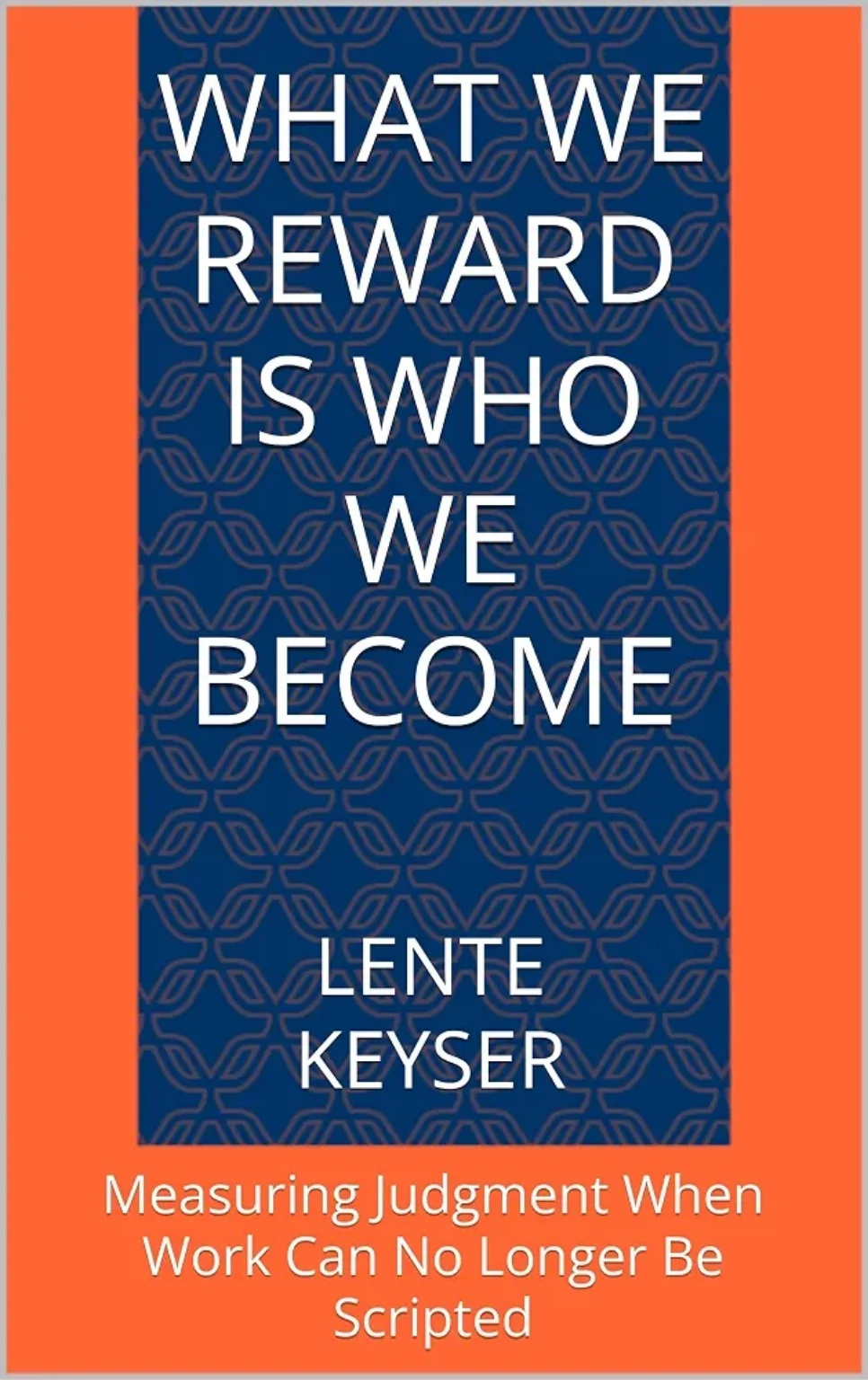
What We Reward Is Who We Become by Lente Keyser book cover
If metrics are driving the wrong behaviour

What We Reward Is Who We Become

Read this when the scoreboard is teaching the wrong game.

For leaders, QA teams, and process people who can feel the gap between what the business says it values and what it actually rewards. Metrics are not neutral little houseplants. They grow behaviour.

Metrics QA Incentives
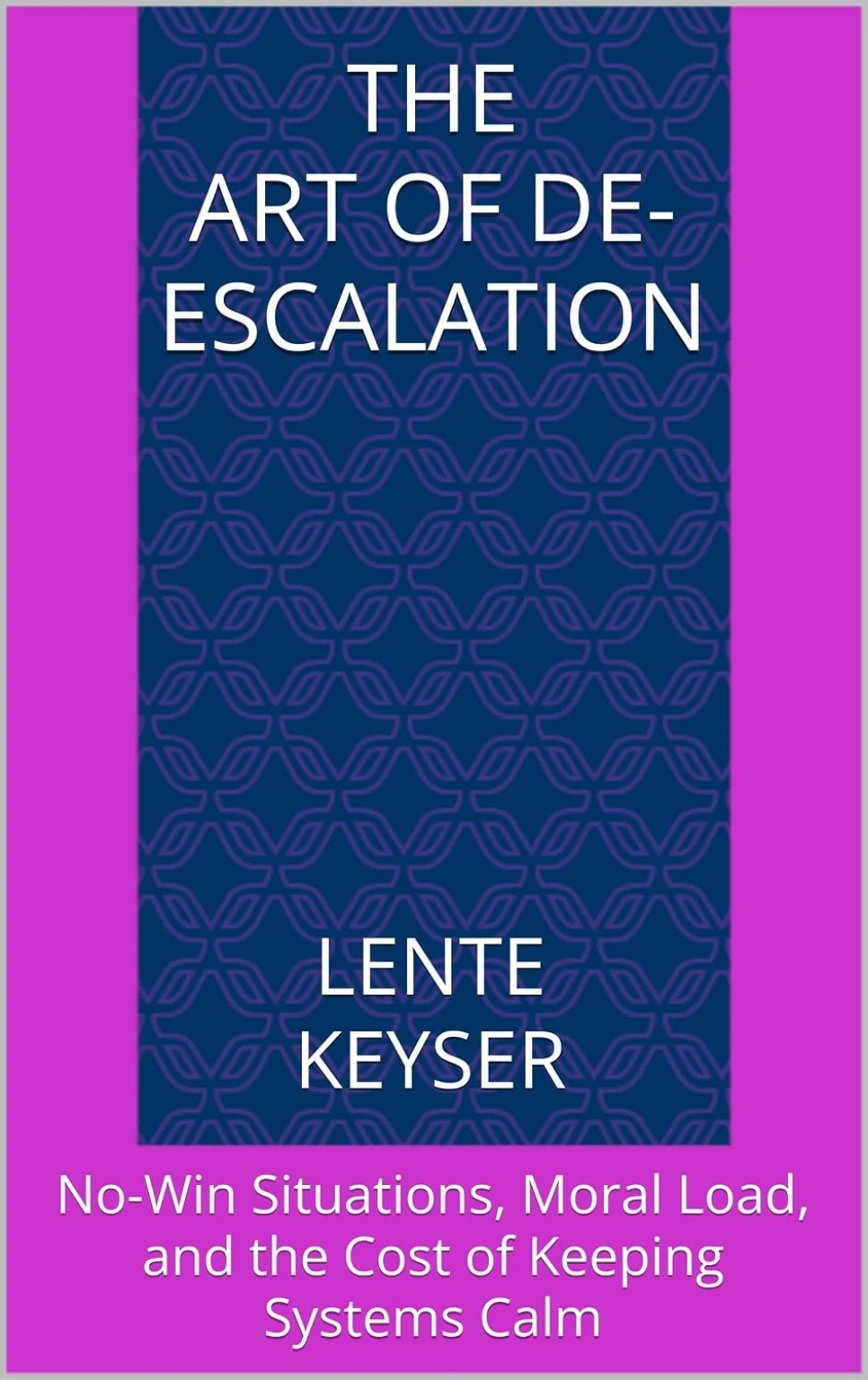
The Art of De-Escalation by Lente Keyser book cover
If customers are angry, rude or escalating

The Art of De-Escalation

Read this when every conversation starts one breath away from combustion.

For people who have to stay human while the customer is sharp, scared, rude, confused, or loudly all four. It is about control without coldness, empathy without self-sacrifice, and calmer conversations that still get somewhere.

Escalations Calm Difficult calls
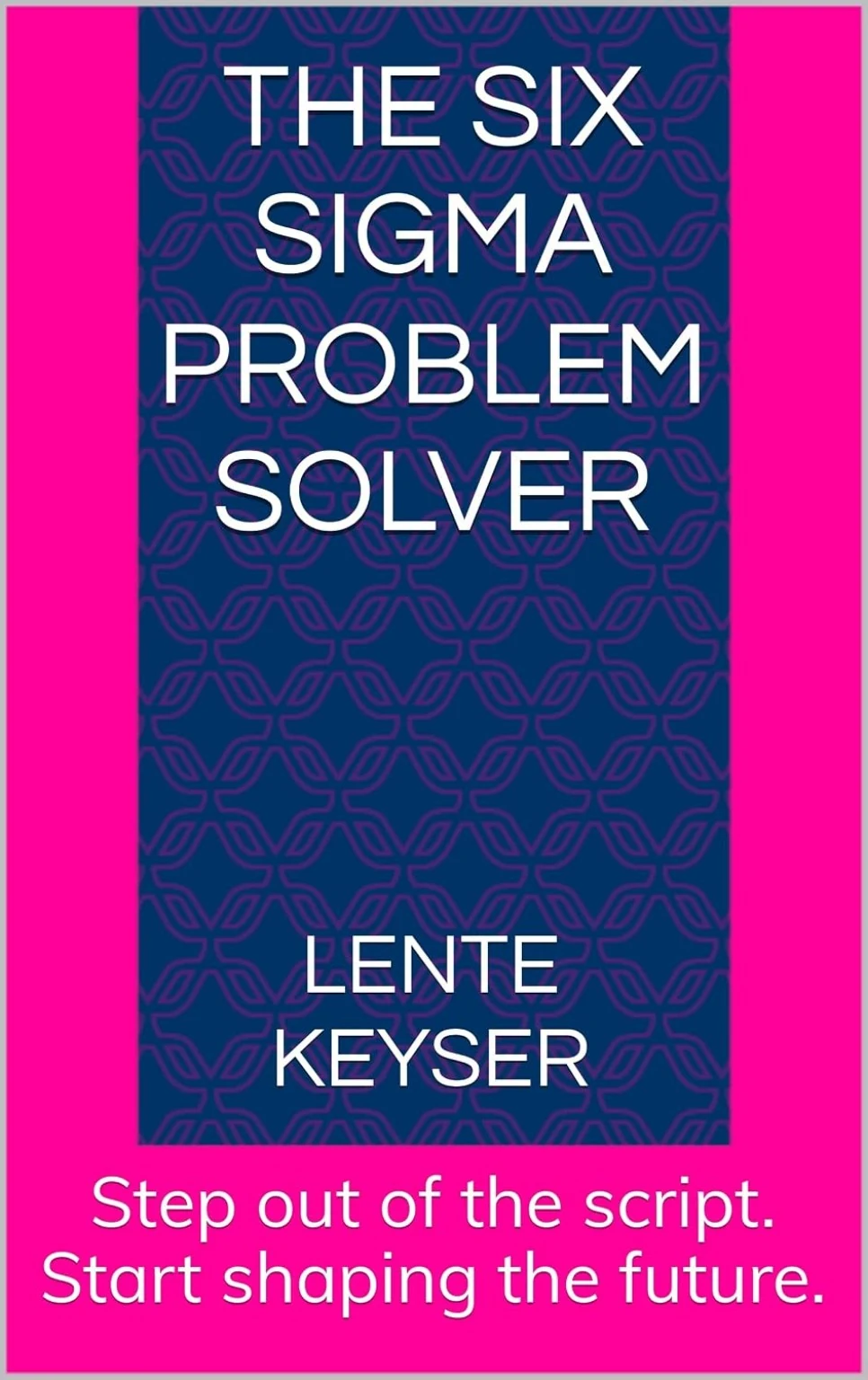
The Six Sigma Problem Solver by Lente Keyser book cover
If repeat issues keep coming back

The Six Sigma Problem Solver

Read this when the same issue keeps arriving in a new hat.

For people tired of solution-jumping, heroic workarounds, and “quick fixes” that boomerang by Friday. It turns problem solving into something practical, visible, and less haunted.

DMAIC Root cause Process
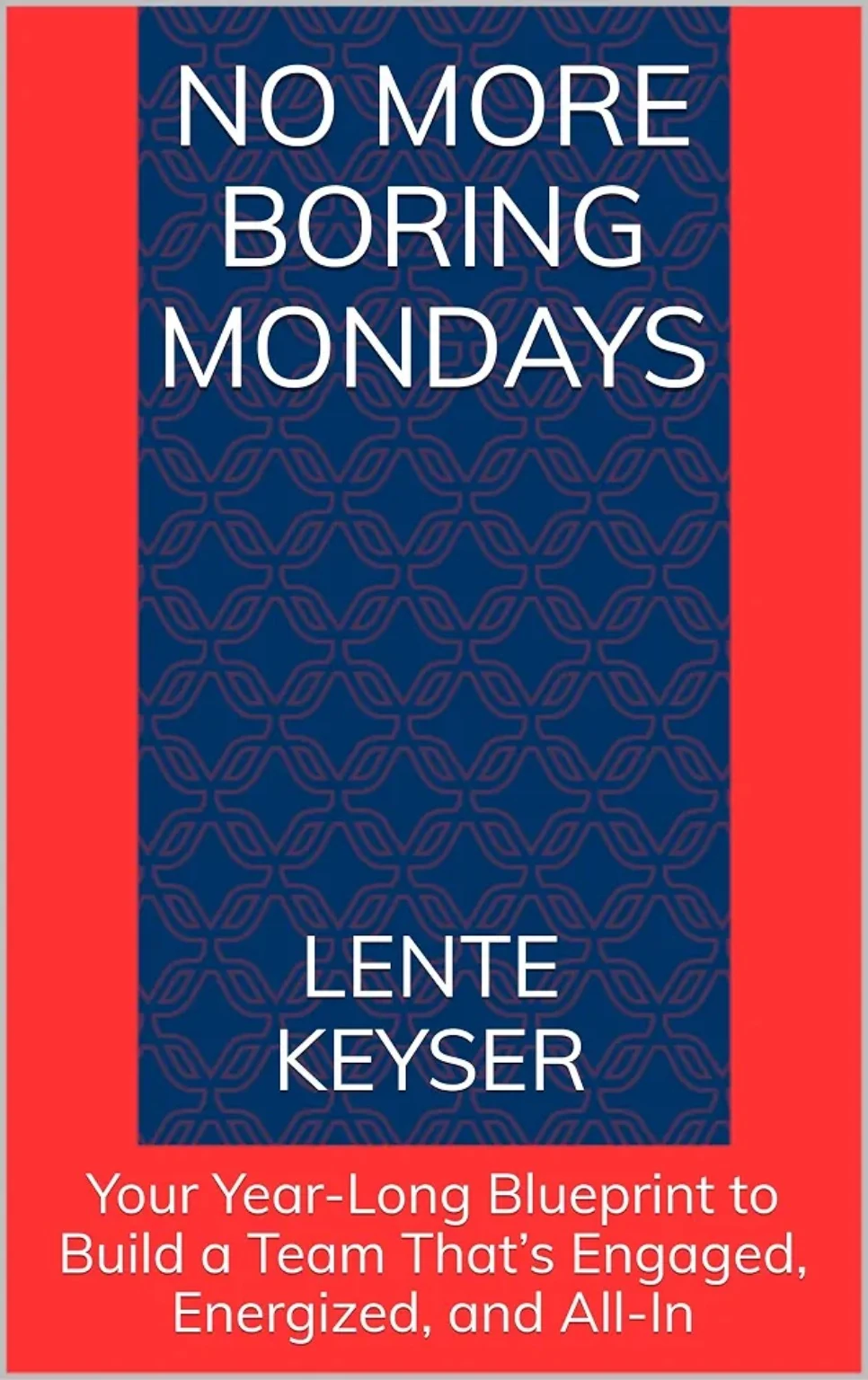
No More Boring Mondays by Lente Keyser book cover
If team energy is dead on arrival

No More Boring Mondays

Read this when team energy has gone flat.

For managers and team leads who want engagement that does more than decorate a calendar. It gives you rituals, themes, and structure your team can actually feel without the forced-fun spreadsheet circus.

Engagement Culture Team rituals
Not sure where to start?

Choose a reading path if the problem has brought friends.

Some workplace issues travel in packs. Start with the first book, then add the second when you are ready to go deeper.

1

The AI and service path

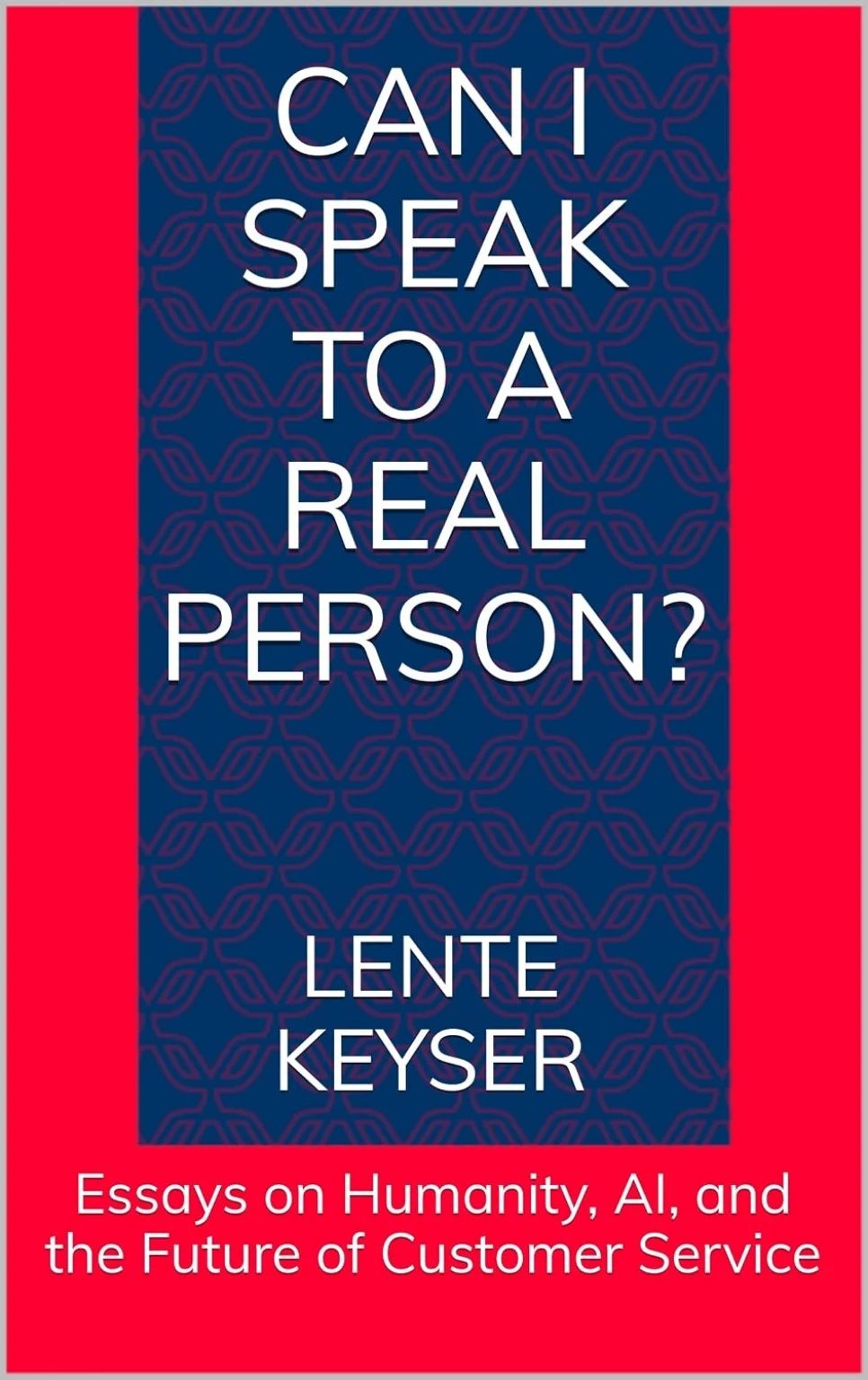
Start with Can I Speak to a Real Person?, then move to The Art of De-Escalation. Choose this path when automation, scripts, and escalation pressure are changing how your team speaks to customers.

2

The problem-solving path

Start with The Six Sigma Problem Solver, then read What We Reward Is Who We Become. Choose this path when the work keeps breaking and the metrics are not telling the full truth.

3

The team culture path

Start with No More Boring Mondays, then add What We Reward Is Who We Become. Choose this path when morale is low, rituals feel stale, and the team needs a better rhythm.

Who this is for

These books are for people who still care enough to notice the cracks.

Team leads, customer service managers, QA specialists, trainers, process improvers, operations folk, and frontline humans who see the real issue before the dashboard finishes pretending.

  • You want plain language with teeth.
  • You care about customers, but you are tired of pretending the system is innocent.
  • You want language that makes messy work easier to explain, improve, and defend.
Who this is not for

This is not for blame games in a blazer.

If the plan is to blame frontline staff for every broken process, every angry customer, and every metric designed far from the work, this series will be irritating. Beautiful.

  • Not theory-first.
  • Not “smile harder” service advice.
  • Not a replacement for proper leadership, but a useful torch for finding where to start.
About the author

Written from inside the work, not from the spectator seats.

The Humanity at Work series turns customer service, process improvement, AI, metrics and team culture into practical language people can use.

Lente Keyser

Lente Keyser is a Cape Town-based writer, customer experience professional and certified Six Sigma Green Belt. Her work spans frontline service, quality, process improvement, training, events and practical workplace storytelling.

  • Author of the five-book Humanity at Work series.
  • Creator of practical tools for frontline teams, team leads and process improvers.
  • Focused on making complicated work easier to see, discuss and improve.
Objection corner

Questions before you start reading.

Tiny answers for the practical reader who wants to know whether this is worth the click.

Are these books only for managers?

No. They are written for frontline staff, team leads, and managers. The point is to make workplace problems easier to see, name, and handle from wherever you sit in the system.

Do I need to understand Six Sigma?

No. The Six Sigma book explains the useful bits in plain language. This is not certification theatre with a clipboard. It is better problem solving for real work.

Can I read before choosing a book?

Yes. Four of these books have free 10–15 minute reads on this site. Start with one that matches your current problem. If you want the full argument, each read has a quiet route to the complete Amazon book.

Can my team put the ideas into practice?

Yes. Engaged Teams 101 has ready-to-run kits, and the Six Sigma course on Udemy lets you practise its problem-solving tools.

Start with the free read, then choose a format that helps you try the idea in your own team.

Ready to choose?

Choose where to begin with the problem in front of you.

Start with one. You can always come back for the rest of the shelf when the next problem knocks on the door with a clipboard.

Next step: choose the problem you recognise and start with its free read. You can visit the full book, course or kit afterwards.